Acoustic isolation
Box seals
Door, glass and the cable passage. A box hears the ground when it chooses to.
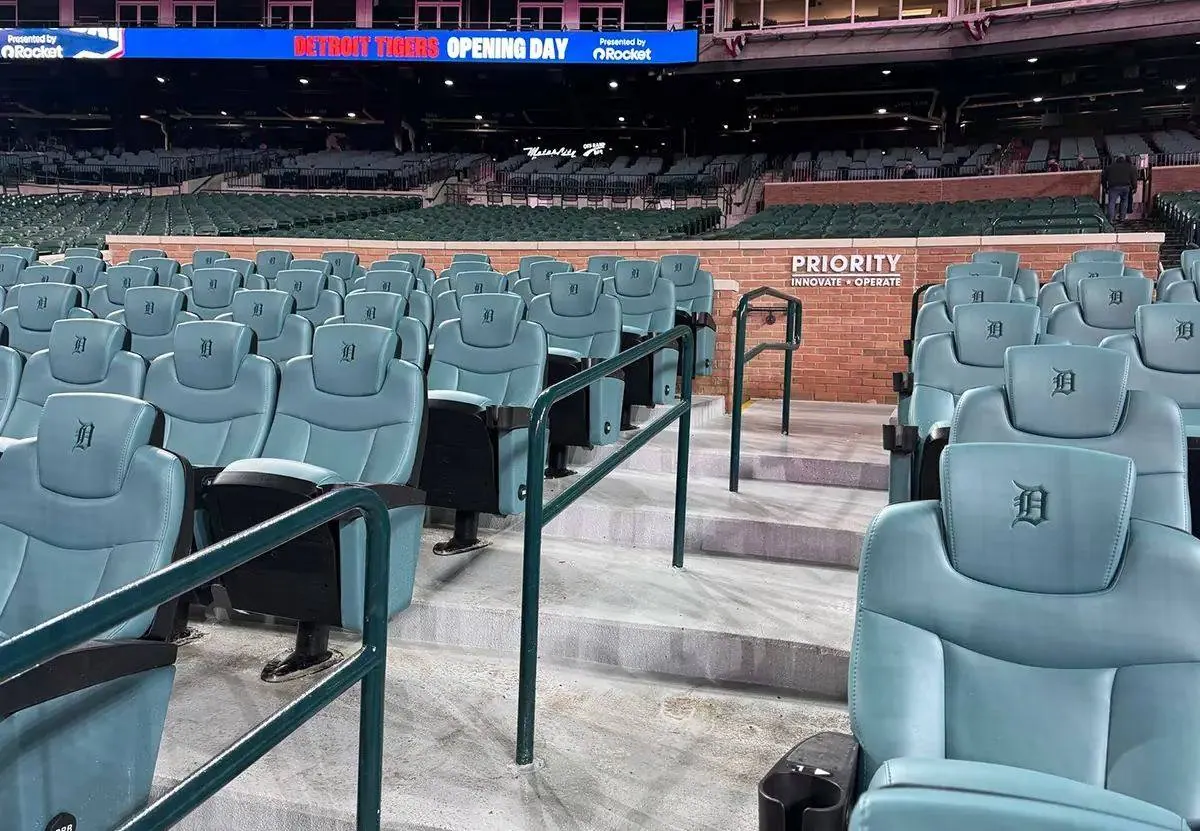
The room next to the noise
A stadium box or a control room wants a choice: open to the event, or closed against it. Double glass, a sealed door and a cable passage without an open hole are the tools of that choice. A small gap around a cable cancels much of the wall. Draw the passage before the furniture.
Vertical glass reflects ceiling light and the pitch disappears. A rake, a treatment or the position of the light are architectural decisions tied to the view, not only to decor. The Detroit hospitality photograph in the archive shows that a box is a room. It is not evidence that we built that club.
Final figures come from the drawing, the current manufacturer datasheet and a test of the room. This page is a design method, not a performance certificate and not a price.
Coordination sequence
The first decision: is the aim to reduce reverberation inside the room, or to stop sound leaving it? Absorption is the first. Isolation is the second. Mixing them is the most common error that arrives from site.
The whole assembly is what gets measured: face, cavity, door, glass, duct and cable hole. A loose panel, or double glass alone, does not describe performance. A steel stand is a structure-borne path for footfall and drums. A wall panel does not treat it.
A reverberation or isolation target is written in the project study according to volume, use and the local code. This page explains what to ask of that study. It does not replace it with a figure.
Treatment panels sold for studios, including light recycled boards, control reflection inside the room only. boxtech does not mix them with construction isolation for a hall, a hotel or a stadium. The fire class is copied from the datasheet. The test happens after the seat and the door.
This clause goes into the bill of quantities, with the signatory and the date of the test after installation: Every cable passage named and sealed.
This clause goes into the bill of quantities, with the signatory and the date of the test after installation: A door of the isolation class the brief asks for, not merely “a timber door”.
This clause goes into the bill of quantities, with the signatory and the date of the test after installation: Glass reflection checked from the seated position.
Mistakes that repeat
- A shared air handler bringing the hall back through the duct.
Questions about this type
Is double glass enough on its own?
No. The weakest element rules: the door, the frame, the hole or the duct. Glass is one item in a path. Performance is reviewed for the installed assembly, not for the pane in its crate.
Catalogue seats coordinated with this type
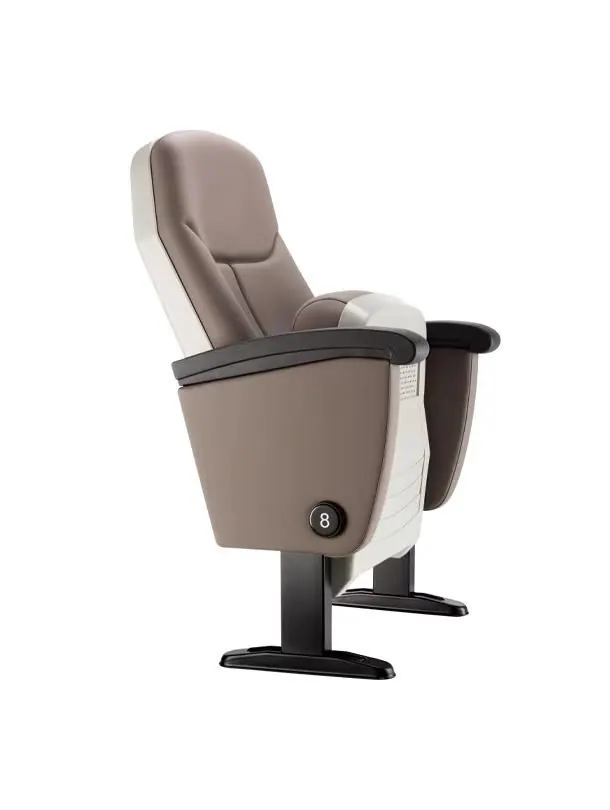
The seats shown are catalogue families in their own photographs, chosen with this type on the drawing, not from a separate picture.


- Wall absorptionAbsorption controls what happens inside the room. It is not isolation that stops sound leaving.
- Reflective and absorbent ceilingsReflectors over the source, absorption where sound returns late. Mixing them weakens speech.
- Stand isolationFootfall and drums travel in steel. The break is drawn. The calculation is signed by the engineer.
- Treatment panelsAn absorbent panel controls reflection inside the room. Isolation stops sound crossing. The market sells the mix as if it were one product.