Screens and projectors
Hall laser projector
Throw, noise, the booth and the sightline. No invented lumen figure.
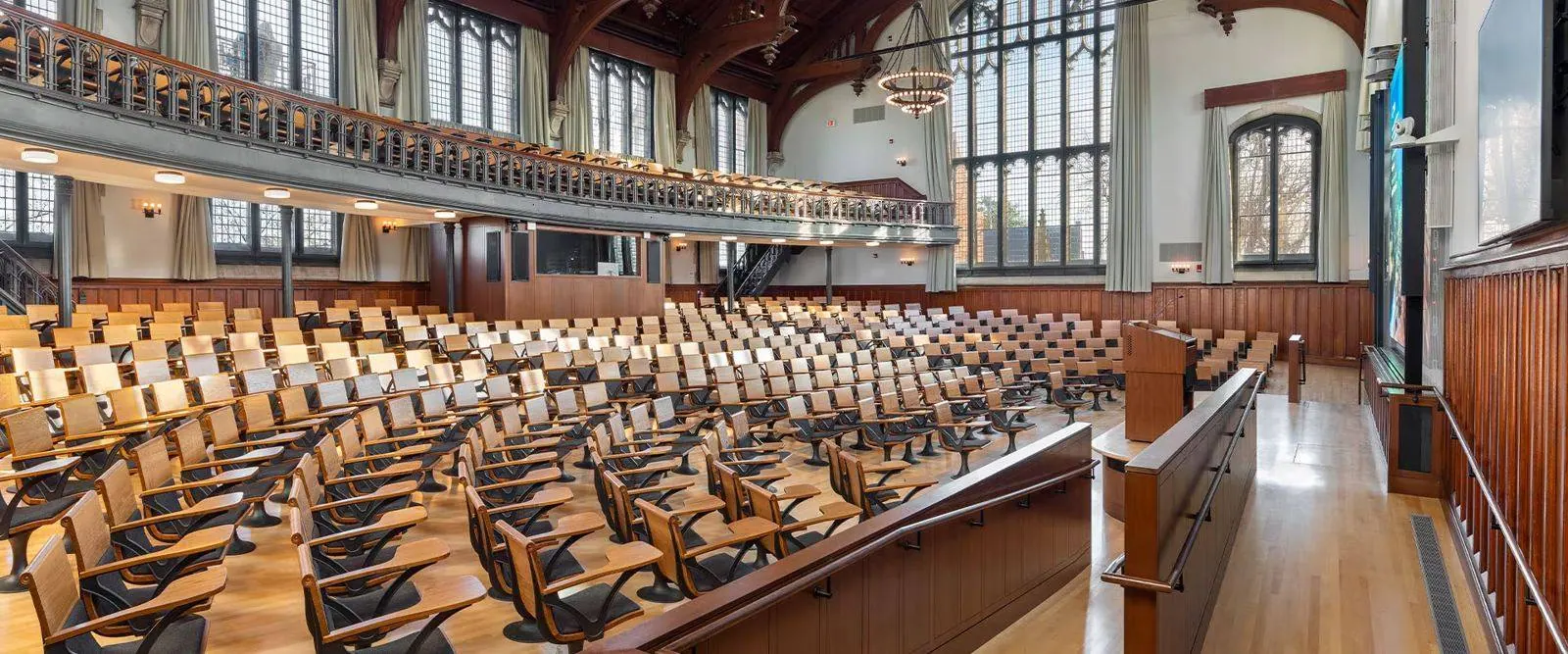
When a projector is truer than a wall
A projector suits a large image that must be replaced, a hall that cannot carry an LED wall, or a room that switches between a lecture and a film. Laser is a longer-lived source than many older lamps. It is not automatically silent, and not every output suits every show. The figure is read from the datasheet after image width and throw are known.
Throw ratio is lens-to-image distance divided by image width. A short lens sits near the screen and may enter the front row’s view. A long lens needs a booth or a hang at the back of the house. That is geometry, not a series name.
Final figures come from the drawing, the current manufacturer datasheet and a test of the room. This page is a design method, not a performance certificate and not a price.
Noise and the booth
The fan is heard from the seat nearest the booth or under the hang. In a quiet theatre that ruins a line. The clause asks for the noise of the machine in the real operating mode, from the datasheet or a measurement, and for booth isolation if the booth touches the house. Isolation here is door, glass and duct, not an absorbent panel inside the room.
A seat does not sit in the beam. A head in the last row or the balcony can cut the image if the hang is too low. Draw the beam with eye height, not only with the architect’s ceiling.
Coordination sequence
The screen is locked with the seat, not after it. The nearest used seat sets the fineness asked of the datasheet. The furthest seat sets the size of the content. House light that remains decides whether a brightness quoted in darkness is usable.
The service side is drawn: behind the wall or from the hall. Heat behind the modules may enter the next room. A projector beam is checked against eye height so the last row’s head does not cut the image.
We do not publish lumens or pixel pitch as an office number. The figure is copied from a dated datasheet after measurement. A screen does not replace acoustic isolation or reverberation treatment.
This clause goes into the bill of quantities, with the signatory and the date of the test after installation: Image width and throw distance before the lens is chosen.
This clause goes into the bill of quantities, with the signatory and the date of the test after installation: Machine noise in the mode that will be used, not in idle.
This clause goes into the bill of quantities, with the signatory and the date of the test after installation: A beam path clear of heads.
Mistakes that repeat
- Hanging the machine after the last row is fixed.
- An open booth window, or vertical glass, sending light back into the house.
Questions about this type
Can this page say how many lumens are needed?
Not without image width, screen gain, leftover light and the content. Those are four inputs. Without them a number is marketing. We measure, then read the datasheet.
Catalogue seats coordinated with this type
The seats shown are catalogue families in their own photographs, chosen with this type on the drawing, not from a separate picture.


- Fine-pitch indoor LEDHow indoor pixel pitch and brightness are chosen with the seat sightline, without an invented figure.
- Stadium ribbon and scoreboardRibbon boards and scoreboards: the last row, dust, sun and maintenance without closing the season.
- Cinema and short-throwPublic cinema and a home room differ in throw, isolation and pitch, not in cloth colour.